

Processes. Programs. Guidance. Organizational habits. If something isn’t working quite right, we want to know why—and want to help you make it better.
Why Field & Theory
Where Good Guidance Meets Real Life
Most organizations have a plan, a manual, or a well-intentioned framework that looks great on paper. The tricky part is making it work on a busy Tuesday, with real people, real deadlines, and a few curveballs thrown in.
That’s where Field & Theory comes in. We turn technical guidance into practical, repeatable ways of working—improving processes, preserving institutional knowledge before it walks out the door, strengthening governance, building useful training, and making complex ideas easier to put into action.
The goal is simple: help your organization work better now while building the knowledge and systems it will need next.
About Us
Built from Experience
We’ve spent years working across the transportation world—building national training programs, leading research, developing technical resources, and making complicated guidance understandable to actual humans.
Along the way, we’ve seen some things. 14-step processes no one remembers creating. Load bearing spreadsheets. Critical knowledge living in one person’s head. Good ideas entering year four of “we should really do that.”
And, weirdly, that’s the stuff that gets us excited. Give us the thing that doesn’t quite work, doesn’t quite make sense, or has everyone quietly wondering why do we do it this way?
We’ll dig in, ask the right questions, and uncover a better way forward.
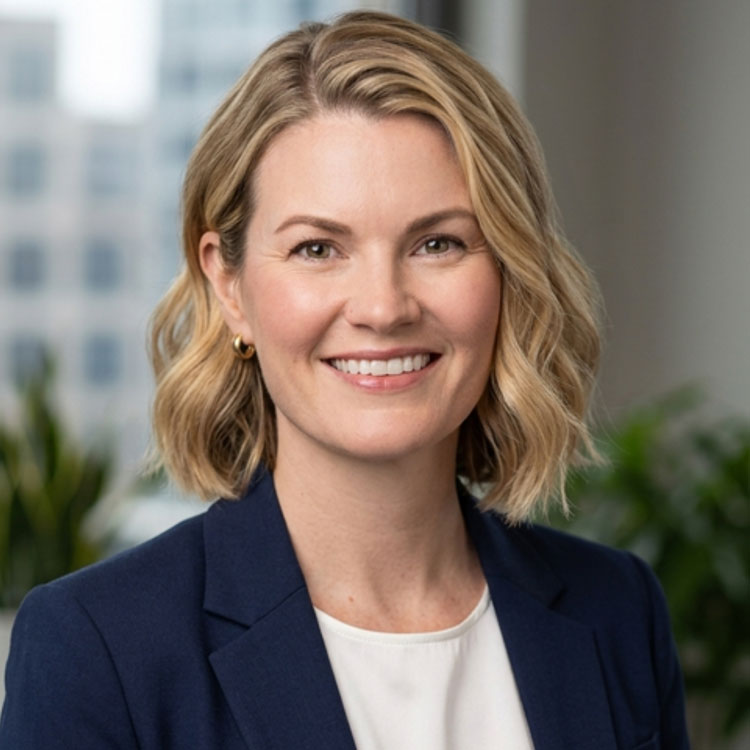
Caitlin Cook is a transportation planner, strategist, facilitator, and professional asker of “but why are we doing it that way?”
She has spent more than a decade working at the intersection of transportation planning, policy, research, data, and organizational strategy. Her career has taken her from working inside an MPO to leading national programs serving transportation professionals across the country. Along the way, she has worked on long-range planning, performance-based planning and programming, multimodal planning, federal policy, technical research, and professional education. Despite all that, the most complicated thing she has tackled is the surprisingly difficult business of getting a room full of people to agree on literally anything.
Caitlin’s particular talent is taking complicated, messy problems and turning them into something people can actually use. She has built national training programs from scratch, led research and state-of-practice initiatives, and developed technical resources people can actually understand. She has designed workshops and executive forums, rethought programs and organizational structures, and helped teams move from “we should probably do something about this” to, you know, actually doing something about it.
She is equally comfortable digging into data, designing a strategy, facilitating a difficult conversation, or standing in front of a room with a marker and a whiteboard asking increasingly inconvenient questions.
Caitlin also believes serious work doesn’t have to feel so serious. She looks for opportunities to bring a little joy, curiosity, and play into the work we do—whether that means explaining a complex planning process through a custom board game or creating new meeting norms involving a ceremonial “Blessed Orange” and a water bottle spritz for coworkers who speak out of turn. (No coworkers were harmed. No HR complaints were filed. Meeting behavior did, in fact, improve.)
Caitlin holds a Master of Urban Planning and bachelor’s degrees in English Literature and Spanish—an academic combination that turns out to be surprisingly useful when your job involves understanding complicated systems and then explaining them in plain language.
Her consulting philosophy is pretty simple: start with curiosity, make complicated things understandable, build things people will actually use, and never accept “because that’s how we’ve always done it” as the end of the conversation.
Our Services
Solutions That Move Organizations Forward
Every engagement is tailored to the organization’s goals, people, and culture—never a one-size-fits-all solution. Below are some of the ways we commonly partner with clients.
Facilitation
Because apparently “just talk to each other” wasn’t working. We help groups get through the awkward stuff, make actual decisions, and leave knowing what happens next—all while keeping their will to live.
Board Development & Governance
Because putting twelve accomplished people around a table does not automatically create an effective board. We help turn expertise, good intentions, and the occasional strong personality into governance that actually works.
Institutional Knowledge Capture
Your organization should not depend on Dave’s memory, three mysterious spreadsheets, and a shared drive only he understands. Someday, Dave is going to retire. We capture what he knows and how things actually work before he buys a boat and stops answering emails.
Process Improvement
Could we streamline it? Yup. Could we also burn it down and start over? Let’s not rule anything out just yet.
Technical Writing
Somewhere in this labyrinth of a 200-page document is the answer. We find it, understand it, and explain it like normal human beings.
Organizational Assessments
Every organization has quirks. We figure out which ones are charming and which ones are quietly ruining everyone’s day.
Additional Services
OPERATIONAL SUPPORT
- Strategic Planning
- Succession Planning
- Research Surveys
- Practitioner Engagement
- Learning & Training Design
- Product Strategy
- Technical Implementation Support
BRANDING & COLLATERAL DEVELOPMENT
- Brand Identity & Management
- Brochures, Direct Mailers, Outreach Kits
- Announcements & Invitations
- POP Displays, Signage & Wraps
- Event Materials & Tradeshow Design
- Technical Assistance Guides
- Annual Reports
DIGITAL COMMUNICATIONS
- Website & App Development
- E-Newsletters
- Marketing Automation
- CRM Implementation
- Videos, Animation & 3D Modeling
- Search & Social Media Advertising
- SEO & GEO Campaigns
Our Approach
Beyond the Deliverable
Field & Theory partners with metropolitan planning organizations, transportation agencies, local governments, nonprofits, professional associations, and private-sector companies serving the transportation profession.
By intentionally limiting the number of engagements each year, every client receives focused attention and direct collaboration. The goal isn’t simply to deliver another report or strategic plan—it’s to create practical systems, knowledge, and solutions that become a natural part of how organizations operate, supporting the work long after the engagement ends.
Contact Us
Ready to Get Started?
Most projects don’t begin with a perfect scope of work. They begin with a challenge. If your organization is navigating change, improving operations, preserving institutional knowledge, or looking for a trusted advisor, let’s talk.